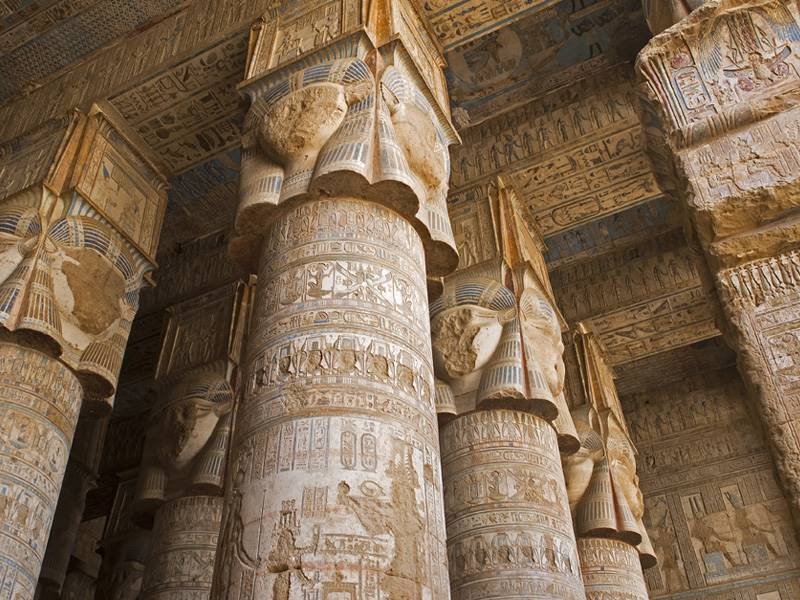
The Luxor Temple Complex is one of Egypt’s most remarkable ancient monuments, located on the east bank of the Nile River in Luxor. Built and expanded over several centuries, the temple reflects the religious beliefs, royal traditions, and architectural achievements of ancient Egyptian civilization. Its monumental statues, towering columns, and....
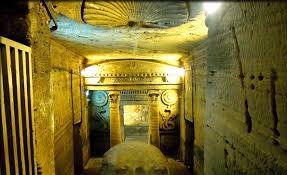
The Catacombs of Kom el Shoqafa are among the most fascinating archaeological sites in Alexandria, Egypt. Dating primarily to the Roman period, this underground burial complex reveals the cultural influences that shaped the ancient city. Its distinctive combination of Egyptian religious imagery, Greek artistic traditions, and Roman architectural features makes....
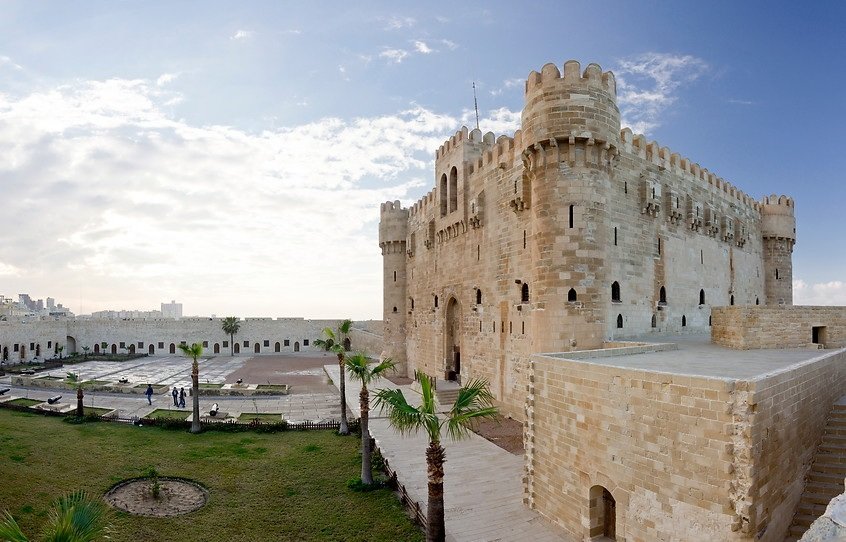
The Fortress of Qaitbay is one of Alexandria, Egypt’s most recognizable historic landmarks. Standing on the Mediterranean coastline, this 15th-century fortress reflects the city’s strategic importance as a maritime center and offers a glimpse into Egypt’s Mamluk history. Built near the site traditionally associated with the ancient Lighthouse of Alexandria,....
The Luxor Temple Complex is one of Egypt’s most remarkable ancient monuments, located on the east bank of the Nile River in Luxor. Built and expanded over several centuries, the temple reflects the religious beliefs, royal traditions, and architectural achievements of ancient Egyptian civilization. Its monumental statues, towering columns, and....
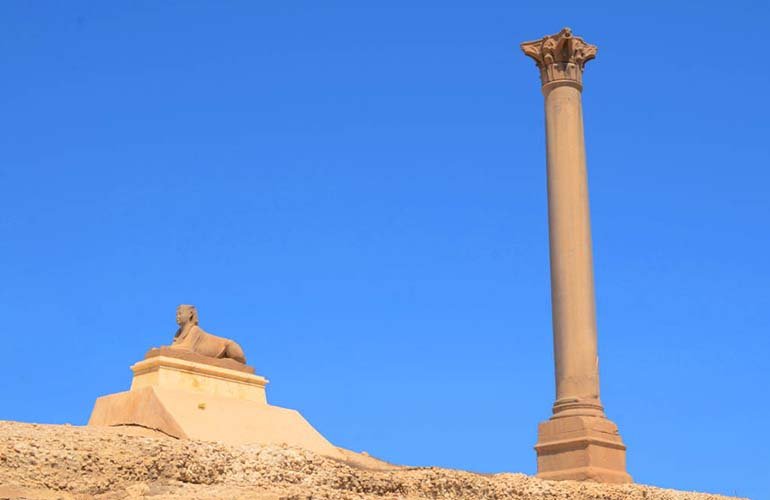
Pompey’s Pillar is one of Alexandria, Egypt’s most recognizable ancient monuments. Rising above the archaeological remains of the Serapeum, this impressive granite column reflects the city’s Roman-era history and its importance as a cultural center in the ancient Mediterranean world. Despite its familiar name, the monument is not directly connected....
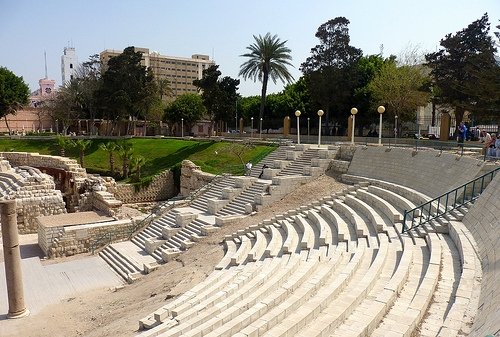
The Roman Amphitheatre in Alexandria, located at the Kom El Dikka archaeological site, is an important reminder of the city’s history during the Roman period. Discovered during archaeological excavations in the 20th century, the site features curved marble seating and the remains of a complex associated with public gatherings and....
Your dream tailor-made Egypt journey is just ahead. From carefully crafting your personalized itinerary
to welcoming you in Egypt and ensuring a smooth journey home, every detail is designed to deliver an
unforgettable travel experience and memories you'll cherish forever.
📧 A confirmation email with your inquiry details has been sent to your inbox.
Need a faster response or planning a last-minute trip?
Contact us on WhatsApp: +20 101 446 7554
We look forward to creating your perfect Egypt journey!
Plan Your Trip Request
Share your travel preferences and we’ll send to you a mail with details